Macronutrients
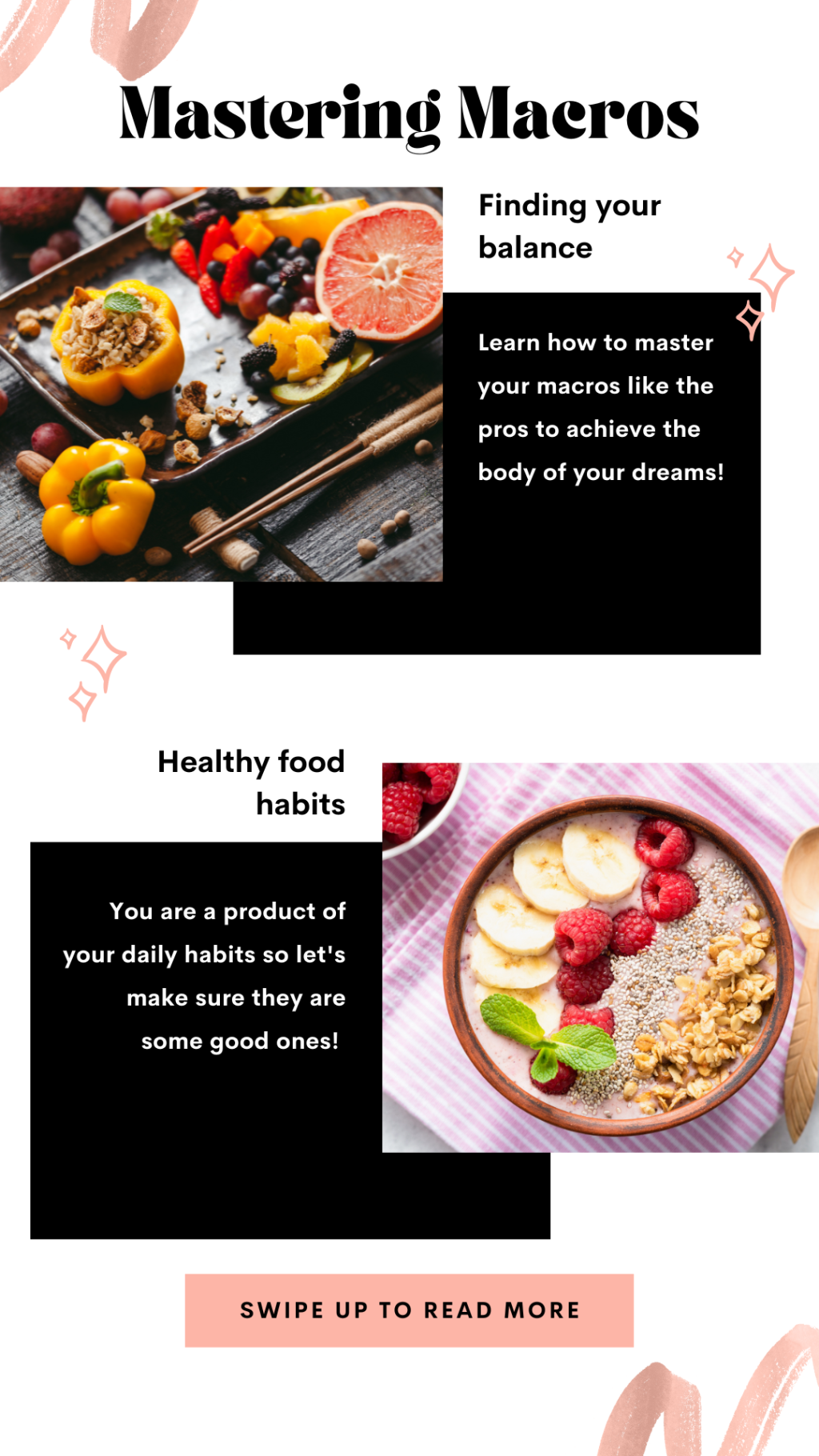
When we talk about “macros” we’re talking about the big three nutrients your body depends on every single day: carbohydrates, fats, and protein.
These are the nutrients you need in larger amounts – but here’s the real tea: The quality of the source matters just as much as the quantity. Because the right fuel doesn’t just fill you…it strengthens you.
Today we’re zooming in one the one macro that most women think they understand…but often misunderstand entirely.
Protein.

What Protein Actually Does (and Why It’s a Whole Body Thing)
Protein is not just for people trying to “get toned.” It’s literally the building block of life.
Every single part of your body — your blood, bones, muscles, hormones, enzymes, hair, skin, nails — all rely on protein to repair, rebuild, and regulate.
In your everyday life, protein helps you:
- Repair cells and tissues
- Build and maintain muscle
- Regulate hormones
- Support immune function
- Keep your metabolism humming
- Stay full and energized longer
And here’s what most women don’t realize:
Eating more protein won’t magically build muscle.
Protein supports muscle growth, but it’s your total calories + progressive training that determines how your body responds.
Eat way more than your body needs? → It becomes fat.
Eat too little? → You feel tired, lose muscle tone, and crave sugar.
How Much Protein Do You Actually Need?
Let’s break it down without the confusion.
Protein = 4 calories per gram. Most adults need 10-35% of their daily calories to come from protein.
A simple baseline formula: 0.8g of protein per kilogram of bodyweight.
For example you weigh 150 pounds.
Step 1: Convert pounds → kilograms
150 lbs ÷ 2.2 = 68.18 kg
Step 2: Multiply
68.18kg × 0.8g = 55g of protein/day
But sis… that’s the bare minimum for survival, not thriving.
Active women, mothers, or anyone trying to build or maintain muscle? Most feel best around: 1g per pound of bodyweight. If you’re active – especially strength training – your needs go up, but most everyday women do fine at the standard calculation.
(You can adjust based on your goals, activity level, and hunger cues.)
Protein Shakes, Powders, Bars – Are They Necessary?

Short Answer: No.
Long answer: They can help – depending on your lifestyle.
If you’re:
- busy
- on the go
- plant-based
- trying to hit goals consistently
…a shake or bar can help bridge the gap. But they should never replace real meals.
Many women are led to believe they “need” a protein shake every day. You don’t. You need consistency in whole foods first.
** Focus on real food first and supplement when life gets lifey.**
Powerful Protein Sources to Add to Your Plate
1. Eggs

- 1 whole egg has 75 calories
- 7g of protein, and tons of other vitamins, minerals, and nutrients that are great for our bodies.
- Egg whites are basically just protein, but don’t skip the yolks just yet.
- Egg yolks are packed with vitamins, minerals, antioxidants, and healthy fats.
- Eat them boiled, scrambled, in omelets, or mixed with veggies.
2. Chicken Breast
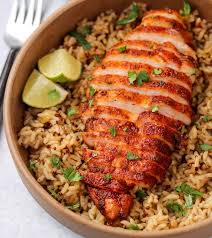
- A 3.5-ounce serving of chicken breast has 165 calories
- 31 grams of protein
- B vitamins, and minerals like zinc.
- Chicken breast can also be prepared a multitude of ways with different seasonings, spices, and marinades. Try making a grilled chicken sandwich on whole wheat, homemade air fried chicken nuggets, or maybe even chicken noodle soup to give yourself an added boost of protein today.
3. Greek Yogurt
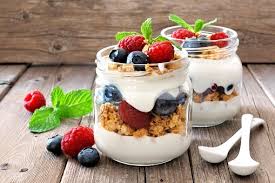
- A 7 ounce serving of greek yogurt has 146 calories
- 20 grams of protein
- Ample nutrients and minerals.
- Due to it’s tart flavor, Greek yogurt can be prepared multiple ways. You can eat it plain, add fruit and granola to make a parfait, use it in addition to fruit and nuts to make yogurt bark, use it in salad dressing’s, or even marinades.
- Just remember when buying Greek yogurt it’s best to buy one that says no sugar added, when a product says “sugar free” it may not contain table sugar, but it can and often does contain sugar substitutes like Sucralose or aspartame.
4. Turkey

- A 3 ounce serving of turkey has 117 calories
- 25g of protein
- vitamins, and minerals.
- The nutrients in turkey will vary slightly due to the cut of meat that you choose. Dark meat has more fat and calories than white meat and white meat has slightly more protein than dark meat.
- Turkey is very versatile and mild flavored and can be used to create a variety of dishes from turkey burgers and tacos to soups and turkey meatballs.
5. Nut Butters (Cashew, Almond Peanut…)

- Did you know that peanuts are not actually nuts at all, but are legumes like lentils, and peas?
- 2 tablespoons of peanut butter (and most nut butters) have around 188 calories, 9g of protein, and lots of vitamins and minerals, but be careful as nut butters are very high in both calories and fat.
- In fact, nut butters have twice the amount of fat calories than protein and carbs, but let’s not talk trash so soon because most of the fat in peanut butter is healthy unsaturated fat. So add a tablespoon to some toast or have some with some fruit, but always be mindful of your total consumption.
Take Away
Protein isn’t just a “fitness thing”. It’s a you thing. A survival and thrive thing.
Your body can’t show up for you if you don’t fuel her well.
Just remember:
• Protein fuels your cells, hormones, muscles, and metabolism.
• The RDA (0.8g/kg) is the minimum — not the goal.
• Supplements help but aren’t required.
• Whole foods will always support your energy, mood, and fullness best.
Your body is sacred and it deserves nourishment that stabilizes your energy, supports your hormones, fuels you goals, and honors your healing. As always, I’m sending you peace, love, and alignment as you continue you Total Trinity Transformation.
With peace and love,
Carlita Blair
Total Trinity Transformation
 Total Trinity Transformation
Leave a comment