Macronutrients
Macronutrients or macros for short, are carbohydrates, proteins, and fats. Macro means large so you need to consume large amounts of these nutrients to keep your body running in top condition however, even though you need large amounts of these nutrients, the source from which they are obtained will determine the quality and overall functionality of them.
Them Carbs Tho…

Alright guys it’s time to once and for all eliminate the collective thought that carbs are bad. Carbs are not evil gremlins that multiply with water, they are not these mysterious mystical entities that cause you to gain weight on sight, nor are they to be avoided at all costs…carbs are your friend. As stated in my previous article How to Meal Prep Like a Boss For Fat Loss, carbs should make up between 45-65% of your total calories consumed. But that doesn’t mean loading up on white bread, cookies, and candy. You could do this, but you’d be doing yourself a huge disservice. I’m going to assume that you’re here to learn how to make your carbs work for your body and not against it, so it’s important to understand that not all carbs are created equal. Cookies, candy, white bread and pasta, and other sweet treats do have a place in our diet…just not a huge place. Also, just because you’re cleaning up your diet doesn’t mean you have to suddenly stop having treats and only eat lettuce. When you properly plan and follow your macros you can make room for your treats, but planning is the key.
What are Carbs?

Carbohydrates or carbs are sugar molecules. Glucose, a form of sugar, is the primary source of energy for every cell in the body. The brain is the most energy-demanding organ and uses 50% of all the sugar consumed. All of our brain processes like thinking, memory, and learning are closely linked to the level of glucose in the body. If there isn’t enough glucose in the brain, the neurotransmitters (the messengers of the brain) are not produced and communication between neurons breaks down. What this causes is brain fog or the inability to think, learn, or recall information or memories. It’s recommended that adults get a minimum of 130g of carbs per day to provide our brains with enough glucose to function properly.
Many women have been conditioned to believe that carbs are evil little critters that must be avoided at all costs and there really has been such a stigma placed on carbs over the past few years that has caused quite a bit of fear. Carbs aren’t bad where we go wrong is consuming more than we need and/or consuming carbs in the form of sweets, sugary drinks, snacks like chips and processed snack crackers, and fast food. While we should have lots of carbs the quality of the carbs we consume makes a world of difference
Healthy Carbs
When choosing carbs it’s best to stick with sources that are unprocessed or minimally processed because foods that are highly processed are usually loaded with simple sugars and have no nutritional value. Whole grains, fruits, vegetables, and legumes are great sources of carbohydrates that are packed with vitamins and minerals, and fiber to keep us feeling full and supplied with clean consistent fuel. Low carb diets can be beneficial for some for a short duration, but carbs shouldn’t be completely avoided.
5 Great Sources of Carbs
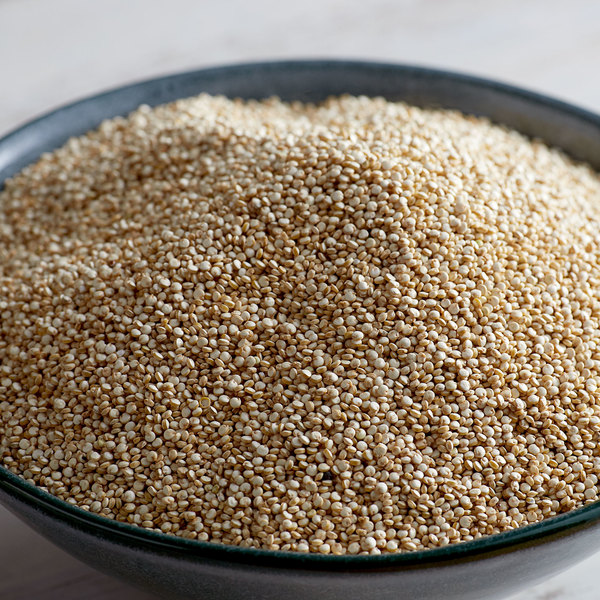
- Quinoa – Quinoa is technically a seed but is considered a whole grain. 1 cup of cooked quinoa packs in 39g carbs, 9g protein, 6g of fat, and 5g of fiber ( which can actually bring the net carb value down to 34g carbs.) It’s gluten-free for those who have gluten intolerance and it’s a complete protein which means it provides all 9 of the essential amino acids our body needs. White quinoa is very mild flavored and can be made savory or sweet depending on your preference or the dish desired.
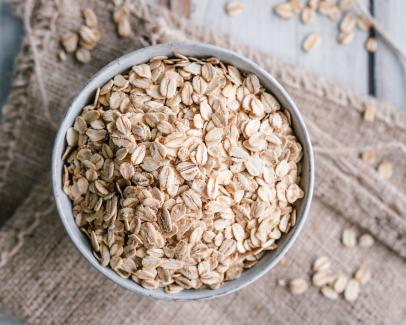
- Oats – Steel cut or old-fashioned rolled oats (not instant oatmeal) are a healthy whole grain packed with vitamins, minerals, and antioxidants. 1 cup of uncooked oats packs in 55g carbs, 11g protein, 5g fat, and 11 grams of fiber! There are endless options for preparing oats from overnight oats and oatmeal pancakes to oatmeal cookies and brownies get creative and get those oats in!
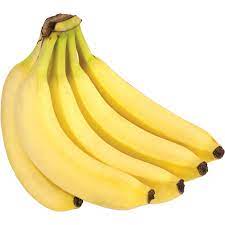
- Bananas – Bananas contain carbs in the form of starch or sugar depending on the ripeness of the banana. When a banana is unripe or less ripe and green it has more starch and when the banana is yellow and ripe it contains more sugar. Bananas are also high in potassium which may improve heart health and lower blood pressure and contain vitamin B6 and vitamin C. One medium banana packs in roughly 23g carbs, 1g protein, and 0.3g fat making it an almost completely fat-free food.
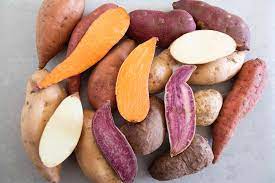
- Sweet Potatoes – Sweet potatoes are a great source of vitamins, minerals, and fiber. 1 cup of mashed sweet potato with the skin on packs in 41g carbs( 34.4g net carbs), 4g protein, 0.3g fat, and 6.6g fiber. Sweet potatoes contain antioxidants that help protect our bodies from free radicals which are unstable molecules that can cause damage to our DNA and trigger inflammation. The soluble and insoluble fiber in sweet potatoes helps to promote gut health by promoting the growth of good bacteria. Purple sweet potatoes contain anthocyanins which are antioxidants that have been shown to slow the growth of certain types of cancer cells such as those in the breast, colon, stomach, and bladder.
- Blueberries – Blueberries are considered to be a superfood due to the amount of antioxidants, vitamins, and other plant compounds they contain. Blueberries are very low in calories and 3.5 oz of blueberries pack in 14.5g carbs, 0.7g protein, 0.3g fat, and 2.4g fiber. Eating blueberries has been shown to improve brain function, reduce oxidative stress which plays an important role in aging, and delay brain aging up to 2 1/2 years.

Calculations
Since carbs should make up 45-65% of your total daily calories let me give you an example on how to calculate your carbs in calories and then calories to grams. Lets say you are eating 1800 calories with a 45/35/20 macros split…this is 45% carbs 35% protein 20% fat. This is a great start for someone who is on a fat loss journey to ensure you are getting in enough carbs to sustain your energy levels, enough protein to keep you full, and enough fat to keep your hormones regulated.
1800 calories x 45% = 810 calories from carbs
Carbs yield 4kcal or calories per gram so now take 810 calories / 4kcal = 202.5 or 203g of carbs per day
So now when you are meal prepping you have both calorie and gram calculations to help you weigh everything properly.
Take Away
Carbs are a very important macronutrient that helps to supply our body and brain with glucose or sugar. When we don’t eat enough carbs we rob our brains of glucose which then slows down mental processes like thinking, memory, and learning. It’s recommended that adults eat at minimum 130g of carbs per day to ensure our brains get enough glucose to function. Carbs are also our body’s main energy source and should make up between 45-65% of our total daily calories. You now know how to calculate the number of calories you’re consuming daily in carbs and how to find that number in grams to help with measuring.
I hope this information helps you on your journey to elevating your mind, body, and spirit. As always I wish you nothing but peace, love, and light. Until next time, this is Carlita Blair helping you skulpt your mind, one day at a time, with the help of the Divine.
Peace
 Total Trinity Transformation
Leave a comment